
Introducing the GYLT Leave
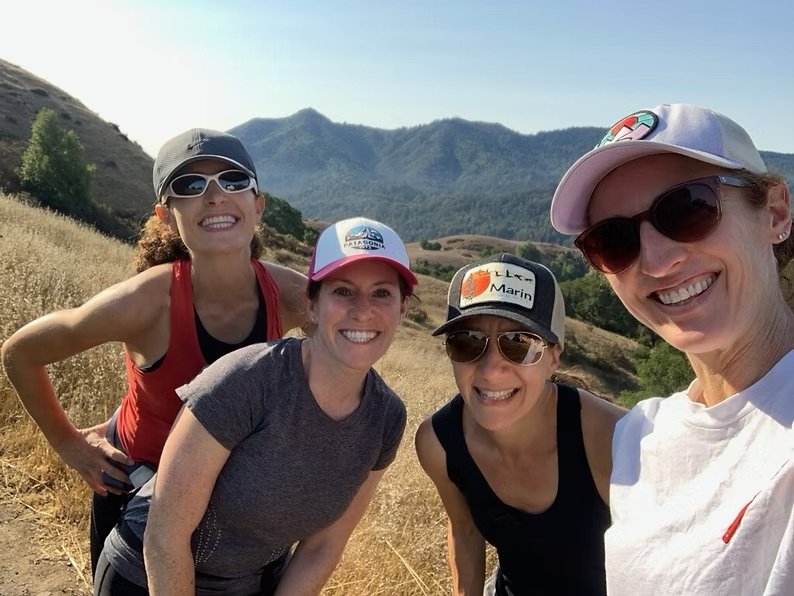
Mount Tamalpais on a glorious Tuesday in October.
October 2021
I just did a thing. It was a thing I needed far more than I realized that positively impacted me on so many levels. And more people should experience it in some form. Hence, this post.
Introducing the GYLT Leave. It’s not sick leave, it’s not vacation, it’s not maternity or paternity leave, it’s not bereavement leave nor caregiver leave, and it’s not a sabbatical with an arbitrary years of service prerequisite. It’s a Get-Your-Life-Together Leave— a leave that leverages the dedicated time and energy you bring to your work day and channels it to focus on you and the other responsibilities in your life that never seem to get the attention they should.
WHAT A GYLT LEAVE IS (AND ISN’T)
GYLT leave is a time to harness the focus and mindshare you give to your work and apply it to your life goals and responsibilities. It is dedicated time to get sh*t done and—spoiler alert—you may even find joy where you least expect it.
If you’re looking for a worldly adventure to check off a bucket list item, see vacation leave. If you’re sick or need a mental health leave-- ideally that’s a form of paid time off. If your kids are off school and you have a “play” day together that’s vacation (although paid parental flex days would be a welcome policy addition). In a true GYLT leave your life essentially functions like a normal workday except that your normal “working hours” are for personal, not work related responsibilities.
The impetus for my GYLT leave was to reset and get a handle on an upcoming home remodel.
SETTING UP A GYLT LEAVE FOR SUCCESS
Time and time again I’m reminded that the details matter. And the details are key to a successful leave experience. Below are 5 key elements to address when planning a GYLT leave:
Timing
When planning a leave it will most likely feel like there is never a “good” time. Instead focus on finding a time that checks the boxes of these non-negotiable GYLT features.
1) Schedule it so the time you carve out will indeed be your time to manage. If you have kids, do it when they are in school or camp or when you have childcare.
2) Time span is an important consideration too, which will depend on what you aspire to accomplish, what’s going on at work, and co-worker bandwidth to take on some of your work so you don’t return weeks of backlogged work. I recommend at least a week and a half and up to 3.5 weeks. For me, 2.5 weeks was a sweet spot-- enough time to feel accomplished without overly burdening my team.
3) Whatever you do, return to work on a Wednesday. It makes re-entry a shorter week and having that final Monday/Tuesday offers a buffer to tie up loose ends or reach maximum joy status by indulging a bit (that’s what I did). Plus you’ll be more able to enjoy your last days of the prior week and your weekend free of any return to work angst.
Communication
There are several stages of communication and each one involves choices around what to say, how to say it, and who to share (and not share) it with.
Communicating with work and colleagues-- I am fortunate to work at an organization that prioritizes employee well-being and takes a holistic view of who we are as employees and people. As a result, I felt comfortable requesting the time off and ultimately the request was met with “Yes, and” responses. “Yes, and how can we support you during this time?” “Yes, and you will have your same job waiting when you return.” Yes, and we won’t just let the work pile up and wait for your return.” Since honesty is generally the best policy, be as honest as you can about the circumstances around your leave, but also know that you don’t have to share everything. Just like vacation and any other planned leave, allowing time and space for up-front planning will reduce the burden on your team and help you smoothly transition out and back in.
Communicating with your people-- a key to my success was being on the same page with my spouse about what would and wouldn’t be different during my leave. For the most part, we kept our family and home routine the same since it was already optimized to maximize our kid-free “work time.” Equally key to my success was being intentional about who I did NOT tell. I did not share this temporary adjustment with my kids-- it had no impact on their schedule and had they known I think their anticipation of a transition would have been far more dramatic than any reality that would impact them. If anything, they were just pleasantly surprised to have a slightly more patient, more fun mom. I also did not broadcast my leave to my entire social network, but rather shared it with the people I intended to make plans with during my leave. This relieved me of any pressure to over-commit during my time and left me in charge of designing my schedule.
Routines
While sleeping in and long walks with barista-made coffees after kid-drop off sounds lovely, it was important to keep my disciplined schedule and ensure that my “work hours” were reserved for my GYLT projects. This meant keeping all the routines in place that keep our household humming (making lunches the night before, setting an alarm to work out/shower/get dressed before the kids get up, weekly meal planning prior to our weekly evening grocery run, bedtime routines, morning routines, and more). This also means that your responsibilities shouldn’t increase. If you and your partner split household and kid duties that should be maintained through a leave, otherwise your leave won’t help move the otherwise neglected tasks forward. But also, do indulge a few days and take that long walk with a friend while sipping on a latte in a cup with your name misspelled in Sharpie.
Goals
Be clear about your goals. You are probably not going to get to everything you consider “outstanding” so accept this up front and choose where to focus based on your priorities, the time you have, and what will bring you joy and satisfaction. Then, schedule your time off in a way that jives with your personality. I’ve found there are two types in this world: Those who relax first to get in the zone for what they need to do and those who can’t truly relax until what they need to accomplish is done. I am squarely among the latter group so I scheduled my time to be heavily weighted with GYLT tasks up front which in turn enabled me to reach peak enjoyment levels once I started to schedule in hikes, mahjong, and lunches at the end of my first week.
Project Management
Back to that theme of applying your boss-like work skills to your leave. Yes, bring all the tools and resources that make you productive at work (I’m looking at you Asana, Monday.com, color coded spreadsheets, relentless calendar management). If a process works for major projects at work, it probably benefits your personal projects too. Yes, my husband and I now have an entire Asana project for our remodel and I’m pretty sure I’m sleeping better at night as a result.
What are your favorite management tools that might have a role in your personal world?
THE INTENDED (AND UNINTENDED) BENEFITS
Reflecting on my leave, I can happily say that I accomplished what I set out to do. In my case, I took care of a long list of remodel project tasks to get an upcoming home renovation off the ground. I finished my daughter’s baby book (she’s now 5). I prepped for upcoming milestone birthdays in our family. And checked off countless tasks (mostly unglamorous ones) that had been piling up. I saw friends I hadn’t seen in ages, played Mahjong, took the long Peloton yoga class, baked, went on hikes, and dropped-off and picked up my kids from school with an added calmness I hadn’t felt in a while.
What really fed my soul though were the unexpected benefits that emerged from my leave. I rediscovered that I can enjoy everyday life tasks when they are allotted the time required to do them. I tapped back into the person I am, and I’m pretty sure my husband “re-met” her and was reminded of what he loves about her. My hope is that I can continue to bring her to the table even with work ramped up. I reconnected with friends. I went on long hikes and said “yes” to the 30 minute detour instead of “I should really get back.” I smiled at more people as I walked around my neighborhood. I was more patient on the phone with the insurance company. I attended a virtual session that piqued my personal interests. I baked the recipe I had been eyeing on Instagram (Half Baked Harvest’s apple cider donuts were delicious BTW). I was the mom who surprised the kids with Halloween necklaces at the pumpkin patch since I had the luxury of perusing the aisles at Target on a Tuesday. And I was the one who stepped up to get a group birthday gift for a friend when usually I’m the one hiding out of guilt for never volunteering and fear that if I add one more responsibility I might crack. In short, my focus on activities, relationships, personal projects and interests brought me joy and helped me rediscover elements of myself that will now continue to rise to the forefront even when I’m back at work since they have been reawakened and realized anew.
LET’S TALK PAY
Hopefully, in a near-future state, a GYLT leave or similar will be normalized and compensated. Until that happens, if this feels like a personal need or want, I hope and encourage people to explore a solution that will work for their unique context. This could mean negotiating an adjusted salary during a leave. Or, maybe it is made feasible by a brief lifestyle change to compensate for a brief income pause. As we live through what is being coined as “the great resignation,” some may find that, in fact, a brief leave to reset is exactly what they need to keep going and the pause in pay ultimately leads to increased income down the road.
REFLECTION
I am incredibly grateful to my organization, my family (especially my spouse), and my friends for their big and small roles in helping me carve out and make this time both what I wanted and needed. I didn’t realize how urgently I needed this leave until I was actually in it and I hope a GYLT leave can be a tangible option for others who want or need one too.
At the same time I want to acknowledge that there are myriad ways to handle the juggle of life and the right answer is: whatever works for you.
How do you manage your personal juggle and balance the important roles in your life? Share with me in the comments?